

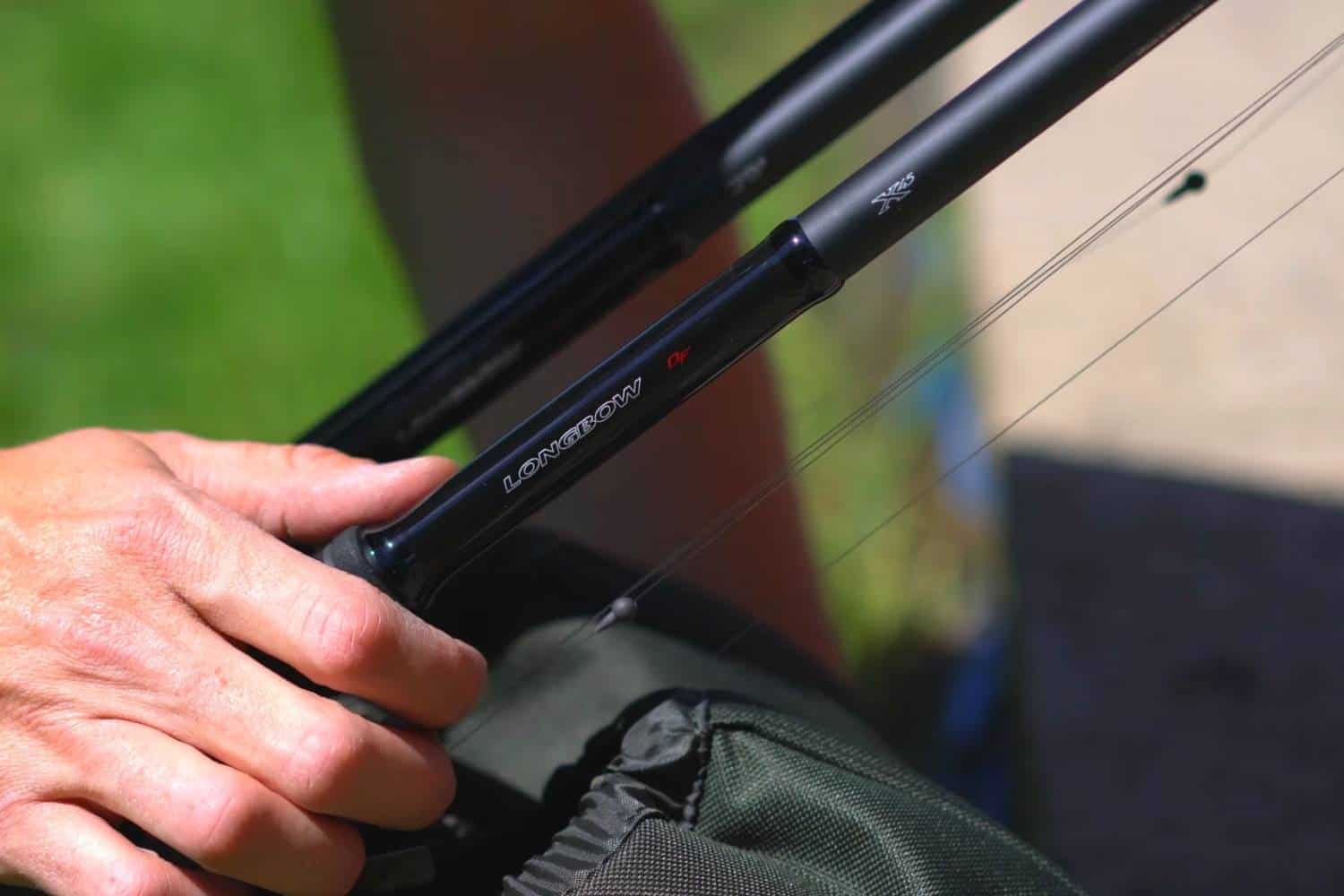
Choosing the right carp fishing rods is crucial for any angler aiming to optimize casting distance, control, and fish-playing ability. With many options on the market—varying in length, test curve, action, material, and price—comparing and matching your rod to your fishing environment and technique can make a real difference in your success and enjoyment. In this guide, we’ll compare different types of carp fishing rods, outline their strengths and trade-offs, and help you find a perfect match for your style.
Why Comparing Carp Fishing Rods Matters
Not all carp fishing rods are created equal. Two rods might both be labeled “carp rods,” but variations in blank construction, guides, action, and test curve result in very different performance. By comparing rods side by side, you can avoid overpaying for features you don’t need, optimize your setup for your preferred water types and casting distances, and choose a rod you’ll truly enjoy fishing with.
Key Parameters to Compare in Carp Fishing Rods
When comparing carp fishing rods, focus on these key parameters:
Length: A 12 ft rod provides maximum casting distance and line control on big waters, while a 10 ft rod is more versatile and easier to handle in most situations. Shorter rods around 9–10 ft are ideal for tight swims and stalking scenarios.
Test Curve: The test curve rating shows how much force is needed to bend the rod 90 degrees. Heavier test curves (3.25 lb to 4.5 lb) give more power for long casting and bigger fish, while lighter test curves (2 lb to 3 lb) provide better sensitivity and are more forgiving.
Rod Action: Fast action rods bend mainly at the tip, which is great for distance casting and quick hooksets. Progressive action rods bend from the tip into the middle section, offering a balance of casting power and fish control. Through action rods bend along the full blank, making them more forgiving and enjoyable for playing fish at close range.
Blank Material and Build: High-quality carp rods often use carbon blanks with reinforced layers to keep the rods strong yet lightweight. Premium models feel more responsive and provide better sensitivity.
Guides, Reel Seat and Handle: Anti-frap guides, secure reel seats, and comfortable grips all add to the overall performance and comfort of a rod. These features may seem small, but they make a difference over long fishing sessions.
Matching Rod Styles to Fishing Conditions
When comparing carp fishing rods, it’s important to match them to your specific conditions:
For long range fishing on big lakes, choose longer rods (12 ft or more) with higher test curves and fast or progressive action to maximize distance and control.
For all-round use, a 10 ft rod with a mid-range test curve around 3 lb is versatile enough for most waters.
In tight swims or near obstacles, shorter rods around 9–10 ft with lighter test curves are easier to control under trees and in snaggy areas.
For stalking and margin fishing, a shorter rod with a softer through action provides more sensitivity and makes playing fish more enjoyable.
In heavy snag conditions or deep water, a stronger rod with a high test curve ensures enough backbone to pull fish safely away from danger.
Practical Tips for Comparing Carp Fishing Rods
When you’re holding two or more rods in your hands, here are some ways to compare them effectively:
Bend the rod to see where it flexes — near the tip, through the middle, or along the whole blank.
Test cast with the same reel and line to feel which rod loads smoothly and casts more comfortably.
Simulate playing a fish by pulling against resistance and see how the rod handles shock and pressure.
Check balance with your reel attached — the setup should feel natural, not tip-heavy or awkward.
Look at details like guide alignment, the reel seat, and the finish of the blank — quality construction adds durability and confidence.
Final Thoughts
Selecting the right carp fishing rods is about more than just specs on paper. By considering length, test curve, action, materials, and features, you can find a rod that perfectly matches your fishing style. Long-range anglers will benefit from stiffer, longer rods, while margin or stalking specialists may prefer shorter, softer rods.
The key is to compare models, test them in realistic conditions, and choose the one that feels right in your hands. With the right carp rod, every cast and every fight with a fish becomes smoother, more enjoyable, and more effective.