

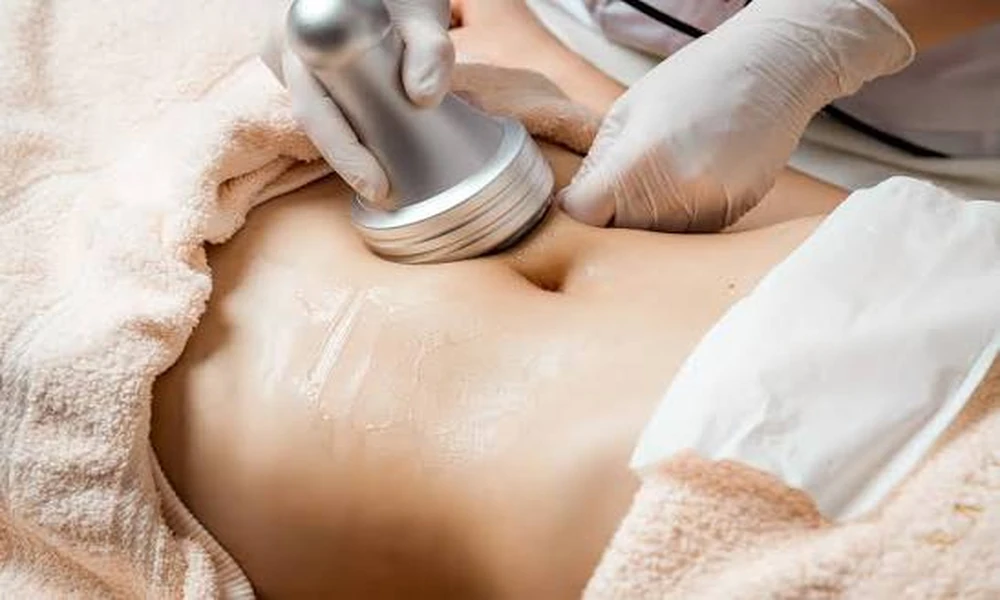
Picture this: you’ve been consistent with healthy meals, regular walks, and workouts for months. Your energy is better, your clothes fit differently, yet a few stubborn areas still seem unchanged. It is a common experience. The body does not always lose fat evenly, and certain spots can hold on to fullness despite a healthy lifestyle. That is why many people explore body sculpting as a way to refine and enhance their natural shape.
Key Takeaways
- Body sculpting focuses on improving body contours and definition.
- It is often used for areas that are resistant to diet and exercise.
- The goal is enhancement, not dramatic weight loss.
- Different body sculpting methods work in different ways.
- Results typically develop gradually over time.
- Healthy habits help maintain long-term outcomes.
- Supportive wellness approaches can aid recovery and overall skin appearance.
Why Shape and Contour Matter
Body shape is influenced by many factors, including genetics, age, hormones, and lifestyle. Even people who follow healthy routines may notice that some areas respond differently than others. For many individuals, body sculpting is less about changing who they are and more about highlighting the progress they have already made. Instead of focusing on the number on a scale, it emphasizes proportion, balance, and definition.
A growing interest in body contouring reflects a shift in how people think about wellness. Many now prioritize feeling confident and comfortable in their own skin rather than chasing unrealistic body standards.
Interestingly, conversations around recovery and skin appearance often include supportive wellness tools, and among them, red light therapy has gained attention for its connection to healthy-looking skin and overall rejuvenation. As interest in body contouring continues to grow, supportive wellness technologies like Celluma Red Light therapy are also being explored for their connection to skin appearance and overall rejuvenation.
The Goal Is Refinement, Not Weight Loss
One of the biggest misconceptions about body sculpting is that it serves as a replacement for weight-loss programs.
In reality, body sculpting is typically designed for people who are already close to their desired weight. The purpose is to target specific areas where extra fullness remains despite consistent healthy habits.
Common treatment areas include:
- Abdomen
- Thighs
- Upper arms
- Back
- Flanks
- Under the chin
By focusing on localized concerns, body sculpting can help create smoother lines and a more defined appearance.
How Body Sculpting Creates Definition
Different technologies use different approaches, but the overall concept remains similar. The goal is to address unwanted fat cells or improve tissue appearance in targeted areas.
Over time, the body naturally processes treated cells, allowing contours to become more noticeable. Since these changes happen gradually, results often look natural rather than sudden.
This gradual process appeals to many people because it fits into everyday life without creating an obvious transformation overnight. Another benefit is that body sculpting encourages realistic expectations. It is designed to complement healthy habits, not replace them.
Confidence Often Follows Physical Changes
The impact of body sculpting extends beyond appearance. Many people report feeling more motivated to maintain positive habits after seeing improvements in body contours. A better fit in clothing, greater comfort during activities, and increased self-confidence can all contribute to overall well-being.
Confidence is not about achieving perfection. It often comes from feeling aligned with personal goals and recognizing the effort invested in long-term health.
Small changes in shape can sometimes create a surprisingly meaningful difference in how people perceive themselves.
Supporting Recovery and Skin Appearance
Body sculpting is only one part of the bigger picture. Recovery, skin quality, and overall wellness also play important roles in achieving satisfying results.
In some wellness settings, Celluma Red Light therapy is incorporated as a supportive option because light energy interacts with cellular processes associated with skin health and rejuvenation. While not a body sculpting treatment itself, it is often discussed alongside recovery-focused approaches that aim to support the body’s natural renewal processes.
The Importance of Healthy Habits
Body sculpting works best when paired with healthy lifestyle choices.
Simple habits can help maintain results:
- Stay physically active.
- Eat balanced meals.
- Drink enough water.
- Prioritize quality sleep.
- Manage daily stress levels.
These habits support overall health while helping preserve body contours over time.
Without healthy routines, new fat cells can still develop in untreated areas, affecting overall body shape. This is why long-term success depends on consistency rather than any single treatment.
Is Body Sculpting Right for Everyone?
Body sculpting is not a one-size-fits-all solution. Individual goals, body composition, and expectations all influence whether someone may benefit from a contouring approach.
The most successful outcomes typically occur when people view body sculpting as an enhancement tool rather than a shortcut. It can help refine natural curves, improve definition, and support confidence, but it does not replace exercise, nutrition, or self-care.
When approached with realistic expectations, body sculpting can become part of a broader wellness journey. The focus shifts away from drastic change and toward highlighting the shape that is already there. For many people, that subtle refinement is exactly what helps them feel more comfortable, confident, and connected to their personal health goals.