

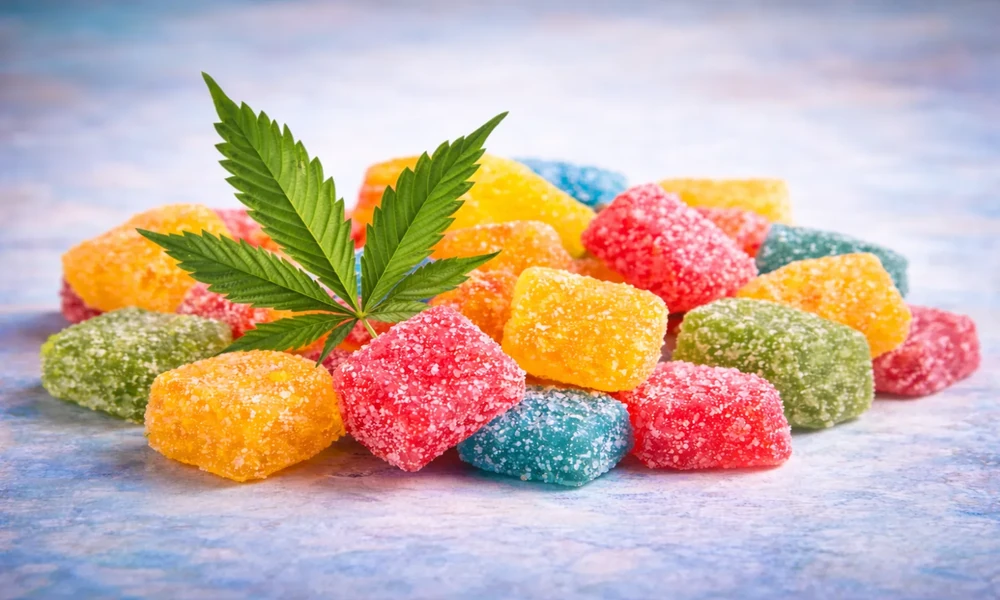
Sativa gummies contain cannabinoids that join the body’s communication system, which has been in place for a long time before edibles existed. CB1 receptors line the brain and nervous system. CB2 receptors sit across immune tissue. Both accept compounds shaped closely enough to fit, which is precisely what plant cannabinoids are. Anyone weighing the best sativa gummy options gains something from knowing what happens after that first chew, since the edible path rebuilds the molecule before a single receptor ever meets it. Everything below follows one gummy from receptor science through liver conversion to personal response.
Receptor sites explained
• CB1 receptor locations
CB1 receptors are abundant in brain areas controlling mood, appetite, memory, and motor coordination, among others. We consume sativa-derived compounds in so many aspects of our daily lives that it’s no surprise that they are stimulating and engaging.
• CB2 receptor locations
CB2 receptors show up mostly across immune cells and peripheral tissue, running on a much quieter channel than their CB1 counterparts. Effects rarely announce themselves during a session. The pathway still belongs to the full system picture, though, and researchers give it plenty of attention.
• Native molecule comparison
Anandamide and 2-AG fill these sites naturally, are made on demand and cleared within minutes. THC binds the very same CB1 locations yet stays put for hours instead. That gap in staying power explains most of what separates an edible session from the body’s ordinary internal messaging.
Liver conversion effect
Conversion inside the liver hands edibles their signature character. A cannabinoid’s eleven-hydroxy-THC is converted in the liver, so it passes more readily through the blood-brain barrier after being converted. Nothing inhaled passes through this step. Onset therefore stretches to one or two hours, duration runs four to six hours afterwards, and nano-emulsified products shorten only the front half of that route.
Terpenes shape signalling
Terpenes ride along with cannabinoids and colour how receptor activity feels from the inside. Sativa cultivars produce more limonene, pinene, and terpinolene, which appear to affect neurotransmitter activity to produce alertness rather than sedation among users. An entourage effect refers to interactions among compounds in plants that produce results different from those of individual molecules. It makes a significant difference whether a gummy contains full terpene content or one built on stripped distillate, even when the THC numbers are the same.
Personal system variation
Variation between people runs deeper here than across most body systems. In addition to the density of receptors, the enzyme activity that governs cannabinoid breakdown is determined by genetic factors, and anandamide levels vary with exercise, sleep, and diet. Two friends eating identical gummies can finish the day describing very different hours. Steady use reshapes things over time as well, since CB1 receptors thin out under constant occupation and drift back toward baseline across a short break.
Plant cannabinoids meet an internal network that predates edibles by a very long stretch, settling into receptor sites the body keeps for its own messaging. Liver conversion, terpene company, and personal physiology together decide how one gummy lands. No matter how many times you open that jar, it will tell a slightly different story to everyone who opens it.